
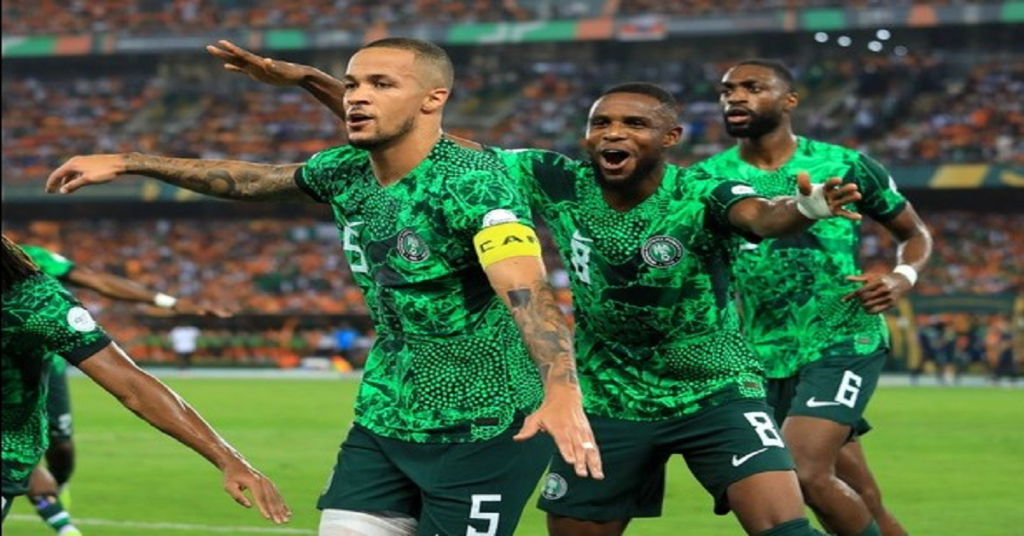
William Troost-Ekong, a key player for the Super Eagles, recently opened up about a troubling experience with coach José Peseiro that almost led him to quit the national team. Ekong revealed that Peseiro had disregarded his concerns and failed to acknowledge the sacrifices players make to represent their country, including long periods away from their families.
The conflict came to a head when Peseiro called Ekong to discuss the team’s preparations for the upcoming Africa Cup of Nations (AFCON). According to Ekong, the coach made no attempt to apologize for previous miscommunications or any perceived neglect of player welfare. Instead, Peseiro directly instructed Ekong to report to camp by a specific date, which left the player feeling unappreciated.
Initially reluctant to comply, Ekong considered stepping away from the team entirely. However, the Nigeria Football Federation (NFF) stepped in to mediate, convincing Ekong to remain committed to the Super Eagles.
This situation underscores the vital role of effective communication and mutual respect in fostering a cohesive team environment. While the NFF’s intervention is commendable, the incident highlights the challenges players face in balancing professional responsibilities with personal well-being. It also serves as a reminder of the need for strong leadership and open dialogue between coaches and players to ensure a harmonious and successful team dynamic.
